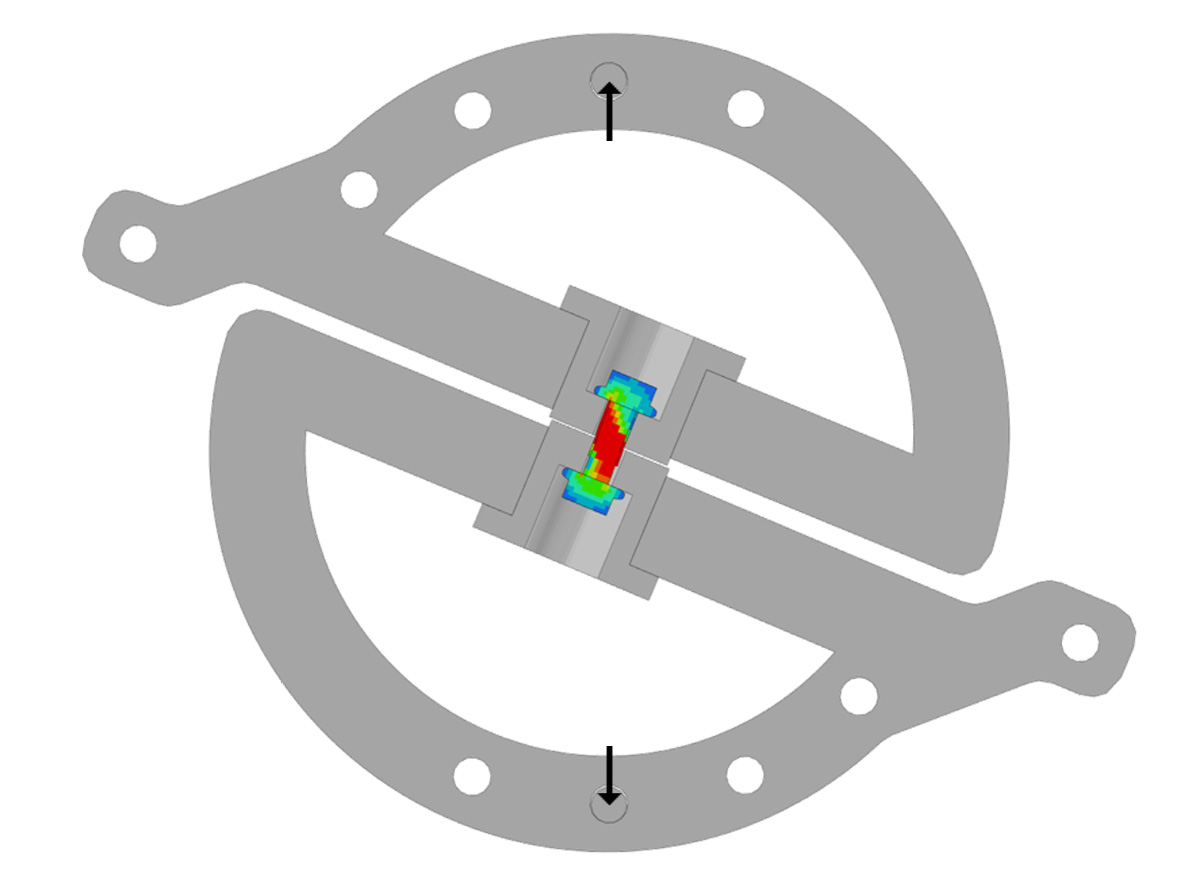
Gain detailed insight into structural response.
A well-constructed FE model can reveal load paths, deformation, localised stress concentrations and potential failure mechanisms that are difficult to assess through conventional calculations alone. For dynamic events, simulation can also reveal how structural response evolves through time, providing valuable insight into the mechanisms governing performance.
We use FEA to compare concepts, assess structural integrity, investigate non-linear behaviour, simulate dynamic events and support design verification. Where physical test data are available, they can also provide valuable evidence for correlation and validation of model predictions.
- Clearly defined engineering objectives and assessment criteria
- Representative loads and boundary conditions
- Appropriate material models and contact behaviour
- Verification of numerical results and validation against physical test data, where available
- Sensitivity studies to investigate key assumptions and design variables
- Experienced engineers interpreting the results and their engineering implications
Useful from the first concept to in-service support.
Introducing analysis early can improve the design before decisions become expensive to change, while the same digital model can continue to support verification, certification and later-life engineering.
Concept design
Explore architecture, compare concepts and use topology optimisation to identify structurally efficient material layouts within the available design space.
Detailed design
Apply representative loads to size structures, fasteners, welds, lugs and joints, and investigate local behaviour before prototype commitment.
Certification & validation
Replicate defined test or standard load cases in simulation and use physical test data, where available, to build confidence in the modelling approach.
Manufacture & in-service
Assess design changes, defects, material substitutions, upgrades and other questions that arise after the product has entered manufacture or service.
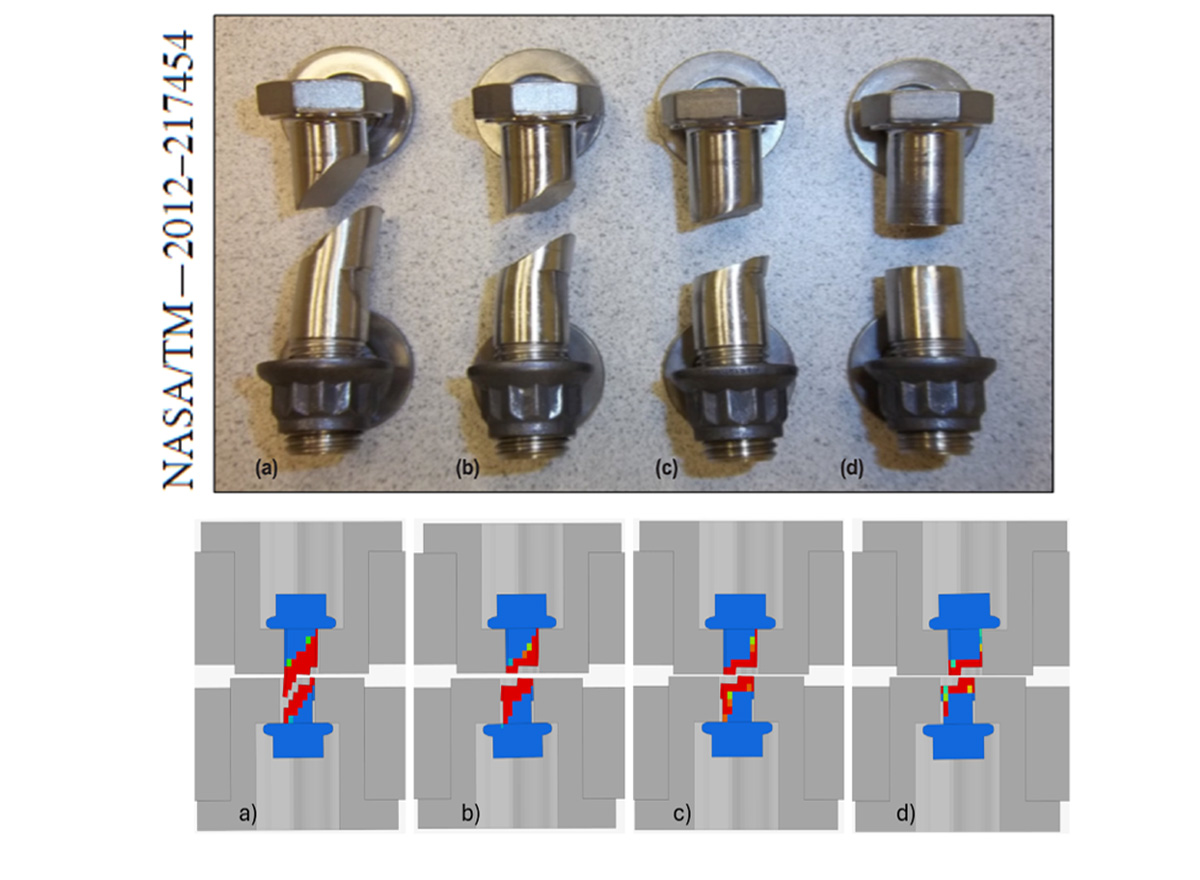
Trusting the results.
Reliable engineering conclusions depend on credible numerical results. Our structured review procedures cover model setup and pre-processing, applied loads and boundary conditions, solver checks, structural response, post-processing and reporting.
This approach helps identify modelling limitations, verify that the model behaves as intended and ensures that engineering conclusions are supported by the underlying analysis.
Choose the method around the physics.
Could simulation answer the question before another prototype is built?
Tell us what you need to understand, what evidence is available and where the design decision sits in your programme.